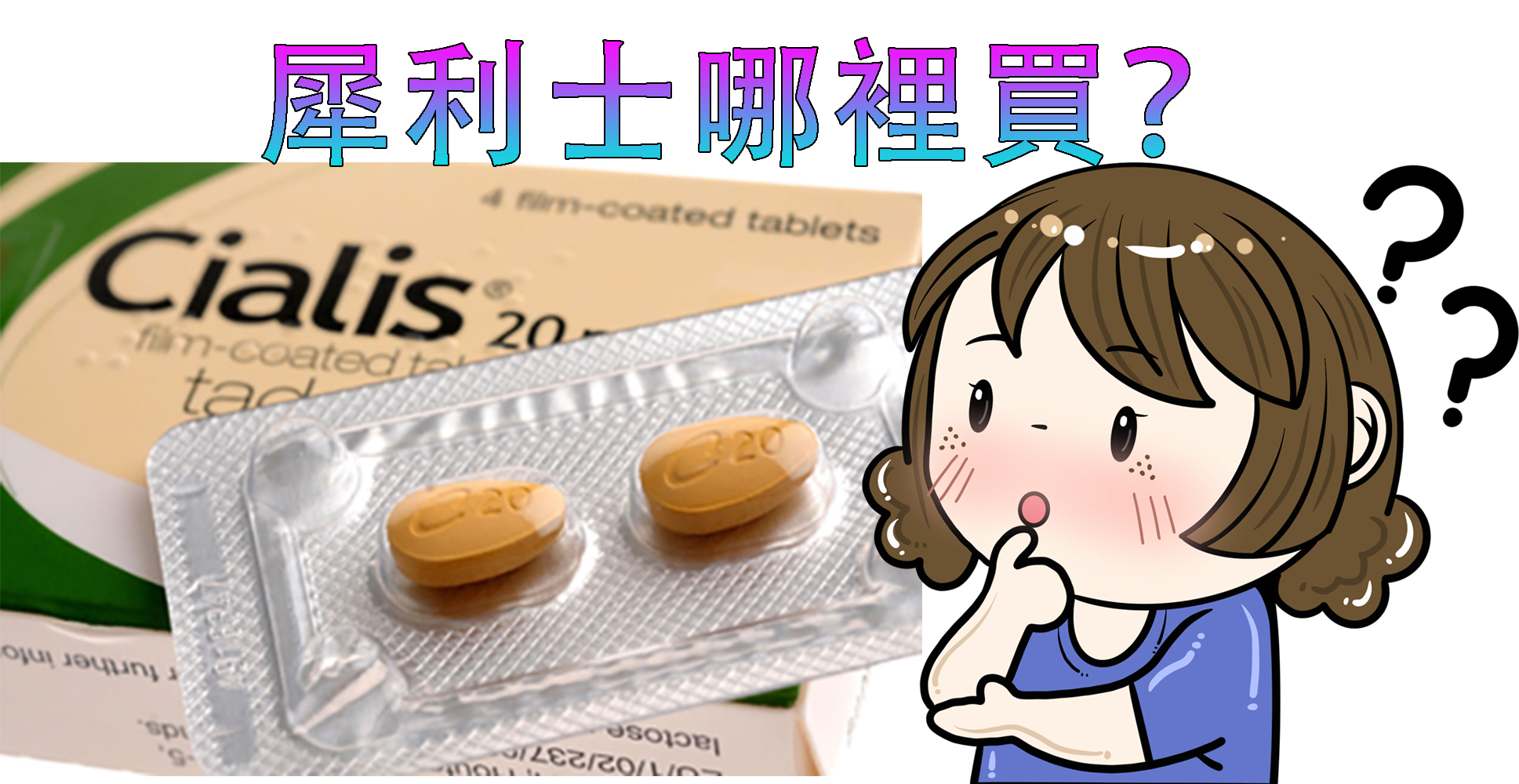
以威而鋼為首的治療藥物問世後,陽痿問題不再是一種“無法被醫治”的症狀,而後一眾陽痿治療藥物紛紛如雨後春筍般出現在患者的視線中,至今為止市面上的陽痿專用治療藥物已達十幾種之多!本來這是一件好事,畢竟選擇多了也代表了醫學技術的進步,但隨之而來也有一個問題,如何從中作出選擇?所以對此我們犀利士官網醫師(http://www.usa-ciais.tw/ )今天也是為大家帶來了犀利士的推薦專題,幫助大家不會出現選擇困難的情況!

勃起功能障礙(Erectile dysfunction,縮寫:ED)又稱陽痿(ED)是一種常見的性功能障礙,同時也是目前超過九成造成男性朋友們性生活不和諧的主因之一!值得一說的是陽痿問題在多年前曾是一種“無法醫治”的症狀,因為沒有特效的治療藥物,雖知道病因但卻無從下手,僅能通過手術治療的手段,但即便是採用手術治療恢復後的陰莖在勃起方面的表現也不盡人意...
犀利士官網:http://www.usa-ciais.tw/
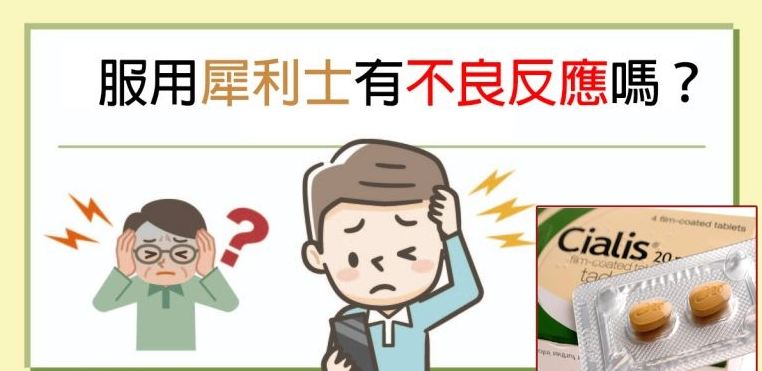
犀利士是至今為止的所有陽痿治療藥物之中,綜合表現方面都比較優秀突出的一款治療藥物,為什麼我們要如此反復的跟大家強調這一點呢?因為現今犀利士也成為了醫師與藥師們主要傾向於開給陽痿患者們的治療藥物,而在醫學上的大部分臨床試驗藥物也逐漸從威而鋼變成了犀利士,甚至於在醫學界學者的文獻中也將犀利士推上了一個高度「最有望根治陽痿的藥物-犀利士」,總結下來犀利士有非常多有優點,任何一個都值得我們去選擇,下面請看藥師逐一介紹講解:犀利士官網 http://www.usa-ciais.tw/
具有不傷身的藥物
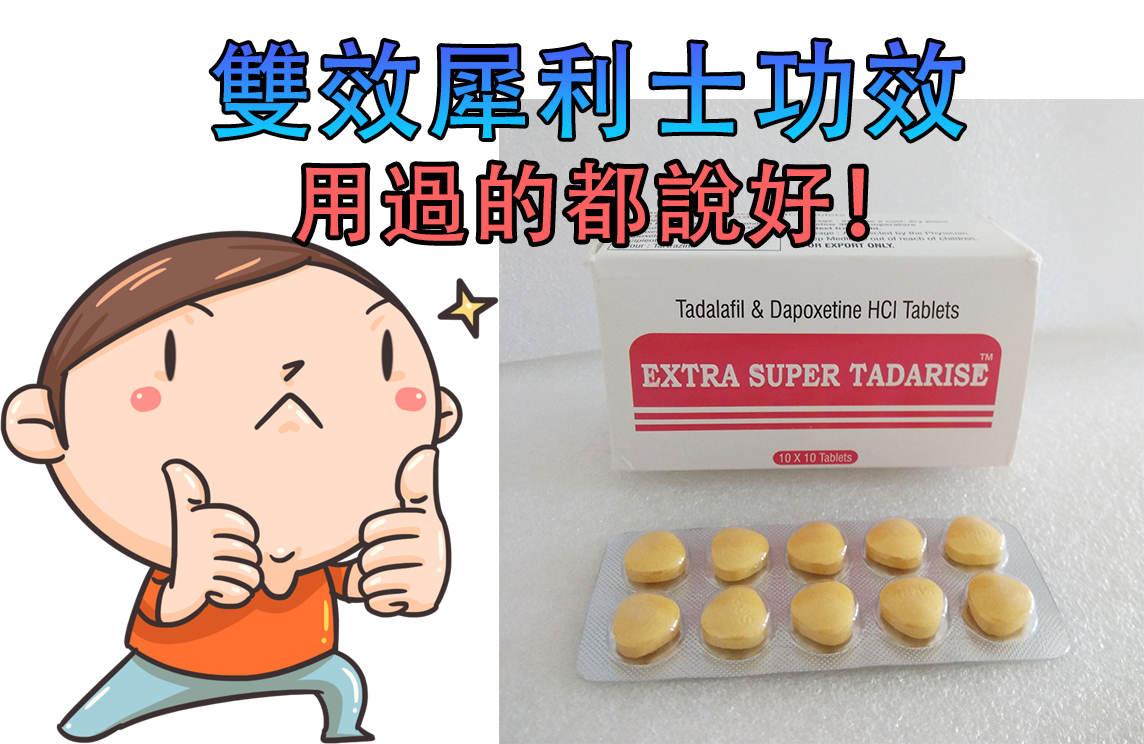
但在所有的這些壯陽藥中,藥性最為溫和的還是當屬犀利士!因為即便是不會產生傷害,對身體有壞處,陽痿治療藥物也依舊會對身體有一定的負擔乃至副作用!而犀利士在目前縱觀市面上所有的壯陽藥中是屬於最為溫和、副作用低的存在!
壯陽藥一直以來就被冠上了會傷害身體、提前透支身體的罪名,不過在這裡有必要說一下部分世面上沒有保障的壯陽藥確實如此會傷害身體,而像威而鋼這種知名藥物,在藥效作用期間也僅僅只是會對身體造成有一定負擔而已,並不會產生傷害!
犀利士副作用相關文章:犀利士副作用如何處理?是否能抑制或者避免?
犀利士具有持續36小時藥效
一般來說如威而鋼的藥物,每間隔24小時僅能服用一次,而持續藥效差不多在八小時左右,這就等於說患者需要“掐點”去用藥,藥效果了之後如果症狀過於嚴重的話也只能是老老實實等待24小時期滿後才能繼續用藥,某種程度上來說如果服用犀利士的話是不存在這個問題的!
這是犀利士最大的特點,通常來說藥物的持續時間多為4小時、8小時,最多也就12小時,而犀利士的平均持續藥效可達36小時之久!這意味著非常多的內容,不光是用藥成本上可以進一步節省費用,還能打破時間限制方面很多東西,大大降低用藥者對性生活需求的阻礙!
美國FDA認證安全藥物
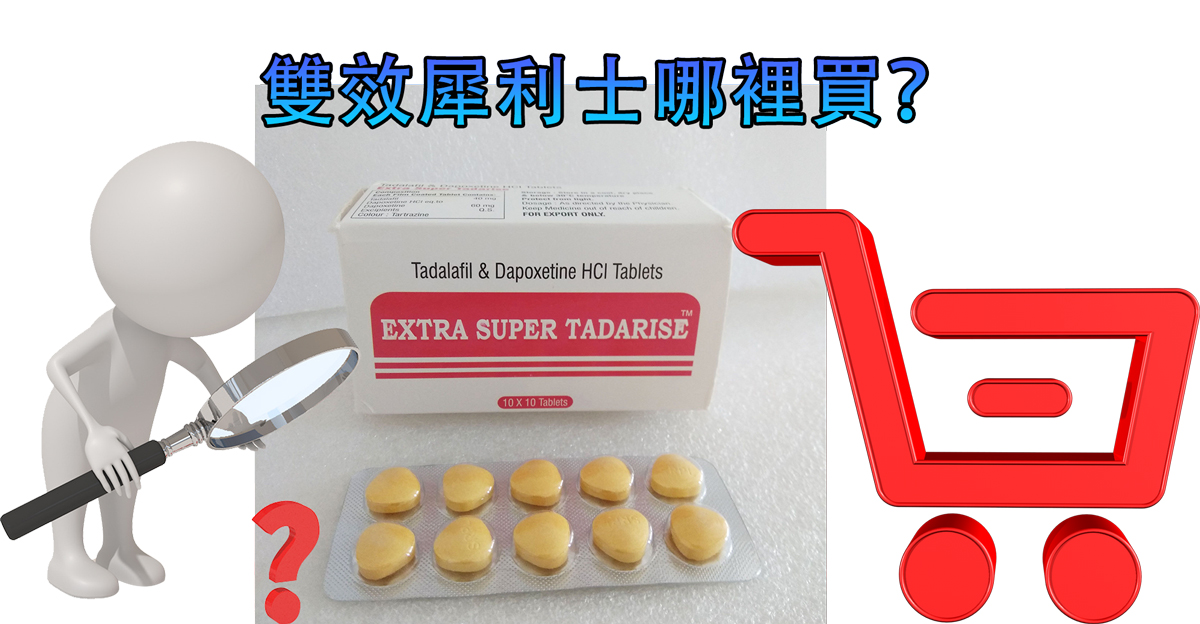
所以對於犀利士的安全性是可以非常放心的!當然了犀利士始終也是一種藥物,如果不正確、錯誤的用藥也依舊會傷害身體,所以對於安全用藥非常重要,此外犀利士還有一個非常厲害的“身份證明”,那就是來自美國FDA(美國食品藥品監督管理局)的安全檢驗,眾所周知美國FDA的檢測標準是非常嚴格的,只有“絕對安全”的藥物才能順利的通過其安全檢驗,而犀利士在上市前就已經是通過了美國FDA的安全檢驗!
無論是在陽痿症狀的控制、治療還是改善上,犀利士都能使患者朋友在用藥治療期間同時享受到高質量的陰莖勃起水平!這是至今全球無數陽痿患者共同見證的犀利士效果!
犀利士官網:http://www.usa-ciais.tw/
犀利士恐怕是至今為止患者用藥綜合反饋表現最好的藥物了,上面有提到過犀利士長達36小時的持續藥效,當然了在這裡必然會有人對是否真能達到有36小時持續時間中表現那麼優秀,答案是肯定的!
Sponsored by Leqvio (inclisiran).
犀利士官網Please note Bruce Arians is not a Leqvio patient. Continue reading for safety information.
Managing heart health is a team effort — even for legendary football coach Bruce Arians. In 2017, he experienced chest pains that landed him in the hospital. He learned that he has atherosclerotic cardiovascular disease (ASCVD — also referred to as “known heart disease”), which is the most common type of heart disease. It is caused by consistent high levels of LDL-C, or bad cholesterol, in the blood, which can lead to a buildup of plaque on the walls of arteries within the heart.¹
For Arians, whose father died of a heart attack, the trip to the hospital and the subsequent diagnosis was the wake-up call that he needed to prioritize and stay on top of his heart health, no matter how busy his schedule became.
Arians took steps to make sure he was effectively managing his high levels of bad cholesterol. This included lifestyle modifications, like changes to his diet and becoming more active, as well as taking medications. “Coaches have a tendency to be a superman,” Arians says. “I had to give up on that, and say, ‘No, I’m not. I need help.’”
While it’s critical that people struggling with high levels of bad cholesterol manage their condition, they don’t have to do it alone. A team mentality can be key in achieving a healthy heart. In addition to a doctor, patients also can consider who else makes sense on their bench. For some, this might be learning some winning plays from a physical therapist or dietician.
Others find that their spouse is an effective quarterback calling the diet and movement plays that lead them to success. And of course, fans in the stands are critical. These fans include friends and family members who cheer on small victories and provide valuable support. Here’s what to know as you build your own heart health team — you can also visit CoachingCholesterol.com to learn more about how to make the right play for your heart health.
A multi-factor health challenge
What makes high cholesterol challenging is that often bad cholesterol does not initially cause symptoms. Rather, it builds up over years, forming plaque in the arteries and leading to outcomes that include stroke and heart disease.¹ But because bad cholesterol can be asymptomatic, many patients do not know their cholesterol numbers until they are diagnosed with heart disease.
Knowing your cholesterol numbers and acting to reduce them can help eliminate problems before they start. In sports terms, lowering bad cholesterol can be the equivalent of being ahead 35 to 0 in the fourth quarter, not giving heart disease a chance, explains Dr. Jeffrey Boone, president, CEO and medical director of the Boone Heart Institute. “The goal of treating LDL cholesterol is to reduce cardiovascular events,” he says. “We can’t feel plaques as they grow. That’s why it can be important to treat high LDL-C before any chest pain or symptoms occur.”
And often, with high levels of bad cholesterol, diet and exercise alone may not be enough to lower numbers. In some cases, even medication, such as a statin, may not be sufficient.²⁻⁴ That’s why it can be critical for patients to partner with their doctor to manage their treatment and find a personalized plan that works best for them.
“The first approach is to begin to look at a patient’s lifestyle, which includes everything from stress levels to diet,” says Boone, who likens lowering cholesterol to a trapeze act — including making sure a few safety nets are in place. “I always encourage my patients, even as they're developing these lifestyle efforts, to begin developing a strong safety net, which then could begin with various medications and treatments.”
Heart health success can be built on small habits
When it comes to managing heart health, small habits make a big difference. For those taking medication, it’s often important that medication be taken at the same time each day for maximum effectiveness. Just setting an alarm and prioritizing taking medication can be the first step to implementing larger changes, like modifying your dietary habits.
For example, you might opt for a breakfast that is rich in soluble fiber, like oatmeal, which can help to lower bad cholesterol and improve overall heart health. Part of the game plan is finding foods you enjoy, coupled with accountability.
Lauren Antonucci, a registered dietician and nutritionist, says that she always begins sessions with a “proactive approach.” She has seen that many clients know what they can’t eat, but she encourages clients to dig into what they can add to their diet. This mindset shift can be helpful in building a playbook that makes sense. “We’ll talk: Do you like apples and pears? Can you add flaxseeds? It’s all about creating a toolkit of behaviors,” she says.
“I recently lost a lot of weight this past season, working with a nutritionist,” Arians says, adding that a nutritionist helped keep him accountable and ensured he was regularly eating healthy foods. “And now, when I’m on vacation or at home, I make sure I have the right ingredients.” Arians credits his nutritionist’s recommendation to make small changes in his daily routine — such as starting the day with a nutrient-dense shake and grilling at home — for making a huge improvement in his health.
Slow and steady movement is a heart health victory
Along with medication and diet, movement can be effective in lowering bad cholesterol and improving heart health. But the key to success isn’t the most reps in the gym or the fastest mile time. Instead, it’s finding healthy habits that can stick. Going on a walk after dinner every day or completing a doctor-approved strength training routine a few times a week can be small tweaks that add up.
“I tore my Achilles last year, so I can’t really do the treadmill right now,” Arians says, adding that he’s able to work out using a strength-training program that uses band exercises and weights. Working with a trainer has also given him accountability.
Femi Betiku, a doctor of physical therapy, often works with patients who are working to lower their bad cholesterol. Betiku has seen firsthand that consistency is what sets clients up for success. For some clients, that means starting at working out for 15 minutes a day. “I’ll have clients who do this for a few weeks, and then say, ‘Fifteen minutes is easy. Can I do more?’ And I say no. We’ll lead up to that, but the biggest setup for success is being able to be consistent for that initial 15 or 20 minutes.”
It’s also helpful to realize your “why.” Instead of working out solely because of your doctor’s orders, some people find it helpful to train for an event, such as walking a 5k with friends and family. Others think of the long term benefits of being active, including being able to dance at a child’s wedding or play on the floor with their grandchildren.
Despite best efforts and lifestyle changes, sometimes cholesterol management requires medication. And advances in treatment plans have led to effective ways to target bad cholesterol. For example, Leqvio, an injectable medication taken alongside diet and statins, prevents the production of PCSK9, a protein that can increase levels of bad cholesterol.⁵
While statins work by chemically reducing cholesterol production, Leqvio protects the body’s cholesterol receptors that naturally clear cholesterol from the bloodstream before plaque buildup can ever begin. These cholesterol receptors need to be protected from a protein particle called PCSK9, which neutralizes the receptors’ ability to remove bad LDL from the blood vessels. Leqvio allows the receptors to continue to eliminate excess cholesterol from the blood vessels.⁶
“It’s like these cholesterol receptors are catcher’s mitts. They catch the round particles that are filled with cholesterol and deposit them into the liver and then are pumped back into the body,” Boone says. “Too much cholesterol in the blood vessels is dangerous, but Leqvio helps get more cholesterol into the liver.”
Leqvio targets the protein that destroys these receptors. “Leqvio eliminates the destructive PCSK9 before it kills those ‘catcher’s mitt’ receptors, and it also lasts a long time,” he says, adding that the drug is injected every six months, after two initial injections, and is prescribed in addition to a statin and lifestyle modifications.⁵
“Leqvio is part of a toolbox,” Boone explains. “When you look at all the things that are involved in heart disease, the most accessible, easily treated, and impactful approach is to lower LDL cholesterol.” Partnering with your doctor and other health care team members can help you find a customized plan that makes sense for your body and your lifestyle — and can get you ready for many more winning plays in your lifetime.
____
From Novartis
犀利士官網
LEQVIO (inclisiran) is an injectable prescription medicine used along with diet and other lipid-lowering medicines in adults who need additional lowering of "bad" cholesterol (LDL-C) and have known cardiovascular disease and/or heterozygous familial hypercholesterolemia (HeFH), an inherited condition that causes high levels of LDL-C. It is not known if LEQVIO can decrease problems related to high cholesterol, such as heart attacks or stroke. Talk to your health care provider about how Leqvio works differently than other cholesterol-lowering treatments. Click here to view LEQVIO full prescribing information.
IMPORTANT SAFETY INFORMATION
The most common side effects of LEQVIO were: injection site reaction (including pain, redness, and rash), joint pain, urinary tract infection, diarrhea, chest cold, pain in legs or arms and shortness of breath.
These are not all the possible side effects of LEQVIO. Ask your health care provider for medical advice about side effects. You are encouraged to report negative side effects of prescription drugs to the FDA. Visit www.fda.gov/medwatch, or call 1-800-FDA-1088.
To learn more about Coach Bruce Arians’ story and for additional resources to help update your heart health game plan, visit CoachingCholesterol.com.
This article was paid for by Novartis and created by Yahoo Creative Studios. The Yahoo Sports editorial staff did not participate in the creation of this content.
References:
1. Mayo Clinic. Arteriosclerosis/atherosclerosis. Accessed July 26, 2022. https://www.mayoclinic.org/diseasesconditions/arteriosclerosis-atherosclerosis/symptoms-causes/syc-20350569?p=1
2. McClellan M, Brown N, Califfff RM, Warner JJ. Call to action: urgent challenges in cardiovascular disease: a presidential advisory from the American Heart Association. Circulation. 2019;139(9):e1-e11. doi:10.1161/CIR.0000000000000652
3. Jacobson T, Cheeley MK, Jones PH, et al. The Statin Adverse Treatment Experience Survey: experience of patients reporting side effects of statin therapy. J Clin Lipidol.2019;13(6):405-424.
4. Jones PH, Radhika N, Thakker KM. Prevalence of dyslipidemia and lipid goal attainment in statin-treated subjects from 3 data sources: a retrospective analysis. J Am Heart Assoc. 2012;1(6):1-10. doi:10.1161/JAHA.112.001800
5. Leqvio [prescribing information]. East Hanover, NJ: Novartis Pharmaceuticals Corp.
6. Stoekenbroek RM, Kallend D, Wijngaard PL, Kastelein JJ. Inclisiran for the treatment of cardiovascular disease: the ORION clinical development program. Future Cardiol. 2018;14(6):433-442.
9/22 229423

請先 登入 以發表留言。